Creating a safe sleep environment is very important for new parents.
Newborn Care NJ 2026 guidelines show that following safe sleep practices can reduce the risk of Sudden Death and accidental suffocation rate by up to 50%.
This guide explains the Breathable & Bare Rule and the latest 2026 safety rules to help you create a simple and safe sleep space for your newborn.
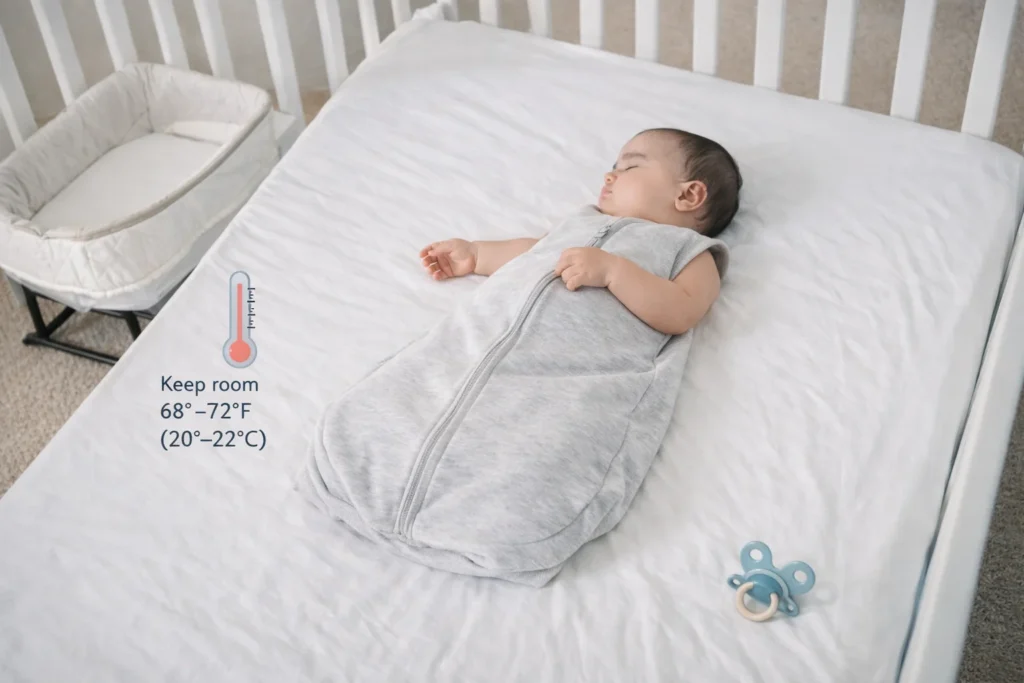
What Is Breathable and Bare Rule?
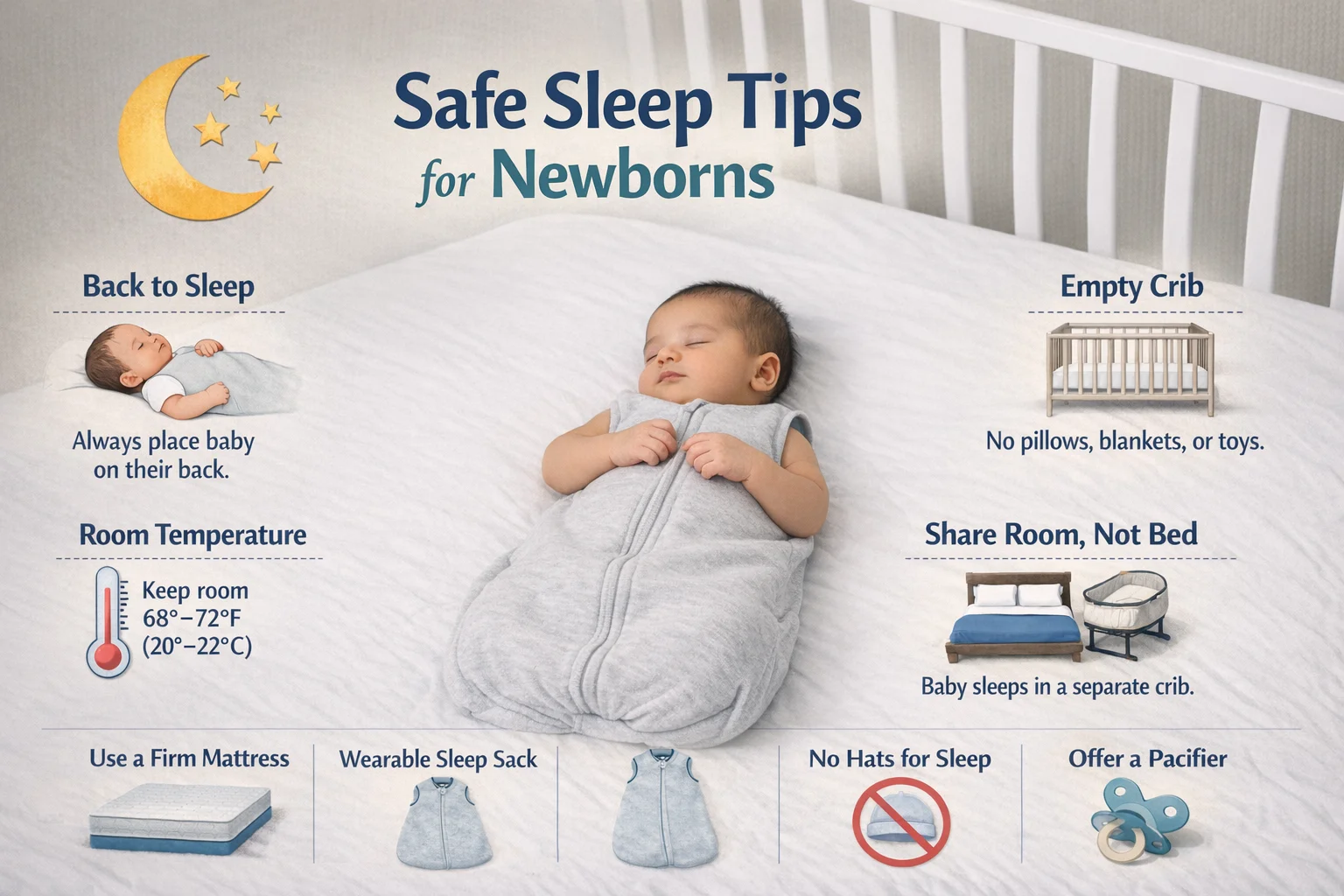
The “Breathable & Bare” protocol focuses on a simple and safe sleep space for your baby. You ought to keep the baby’s bed empty and remove soft items like pillows, blankets, and bumpers.
You ought to use a solid and flat mattress with a tight-fitting bed sheet to keep breeze clear. Rather than of loose blankets use a breathable sleep sack to keep your baby warm and safe.
Rule of Don’t Share Room and Bed of Newborn
The Newborn Care New Jersey recommends that you ought not to share your baby bed for at least the first four months. You can keep your baby bed close to your bed to make night feeding and observing to reduce the risk of Sudden Death.
Again and again we are telling you that you ought to avoid bed sharing because it risk of suffocation. Never sleep with your baby on a couch, so these are the most dangerous places for a baby.
Rule of Clothing and Temperature Control
Overheating increases the risk of Sudden Death, so you ought to keep your baby in normal temperature. Maintain the nursery temperature between 68°F and 72°F (20°C–22°C) to create a safe environment.
Dress your baby in light clothing and use a wearable blanket or sleep sack instead of loose blankets.
Once you bring your baby at home from the hospital, avoid using hats during sleep because babies regulate heat through their heads, and a hat can cause overheating or slip over the face.
Modern Safety Necessities
| Feature | Safe Practice |
| Enfolding | Enfold your baby until they show signs of rolling (around 2–4 months), and keep it comfort with room for hip movement. |
| Soother | Offer a soother at snooze and bedtime to help reduce the risk. |
| Weighted Products | Avoid weighted enfolding or blankets, as they can press on your baby chest. |
| Home Monitors | Do not rely on smart monitors rather than of safe sleep practices. |
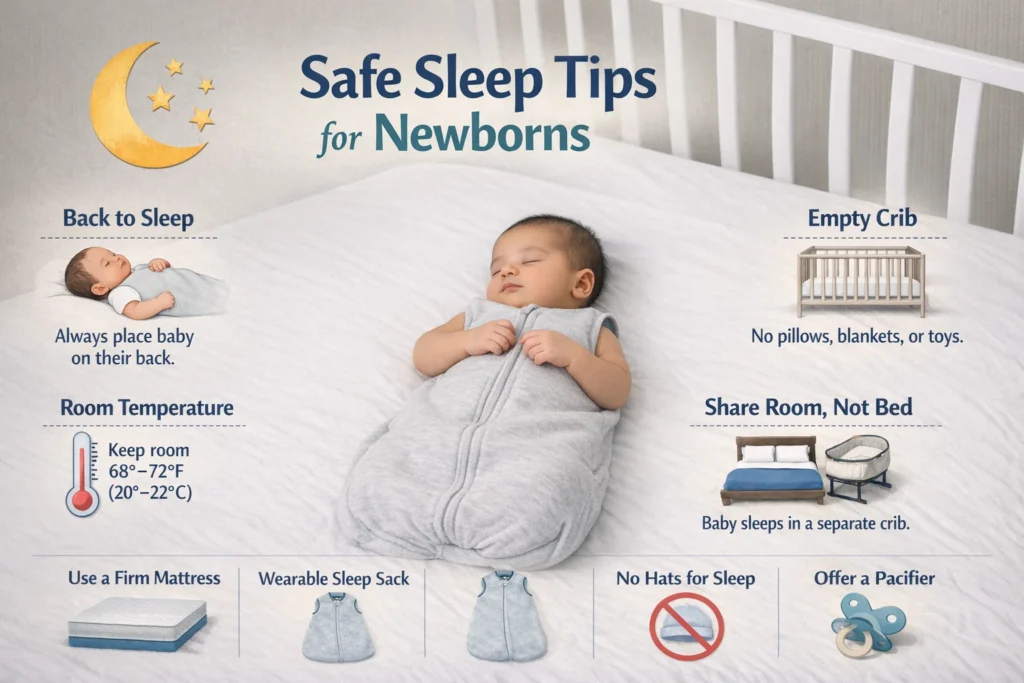
Summary Schedule for Parents
You place your baby on their back for every sleep and use a firm, flat, and level sleep surface. You keep the crib empty by removing toys, blankets, and bumpers. You maintain a smoke-free room and a comfortable temperature. You keep your baby in the same room but in a separate crib.
By following these safety practices, you create a secure environment for your baby to grow and stay healthy. You should also consult your pediatrician during well-baby visits for the latest guidance.
Conclusion
Safe sleep protects your newborn’s health. Keep the sleep space simple, use a firm mattress, avoid soft items, and place your baby on their back. And maintain a comfortable room temperature to create a safe sleep environment.
FAQs
You should always place your baby on their back for every sleep to reduce the risk.
No, you should keep the crib empty and avoid blankets, pillows, and toys to prevent suffocation.
You should keep the room temperature between 68°F and 72°F (20°C–22°C) to keep your baby safe and comfortable.